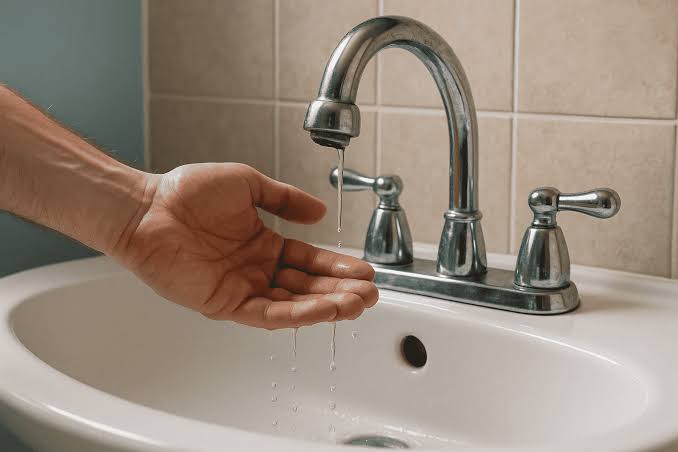

Low water pressure is one of those household problems that often starts as a minor annoyance but can quickly become part of your daily routine. Whether it’s a shower that barely rinses off shampoo, a kitchen faucet that takes forever to fill a pot, or a washing machine that seems to run much longer than usual, weak water flow can affect almost every task around the house. While it’s tempting to assume the plumbing system is simply getting old, low water pressure is usually the result of a specific issue that can often be identified and resolved.
If you’ve been searching for plumbing for Tallahassee households, understanding the most common causes of low water pressure is a good place to start. Some problems have simple solutions that homeowners can safely handle themselves, while others point to larger plumbing concerns that require professional attention. Recognizing the warning signs early can help prevent small issues from turning into expensive repairs.
Check Whether the Problem Is Limited to One Fixture
Before assuming the entire plumbing system is affected, determine whether the issue is isolated to a single faucet or shower.
If only one fixture has weak water flow, the problem is often localized. Mineral buildup inside the faucet aerator or showerhead can restrict water flow over time, especially in areas with hard water. Removing and cleaning these components may restore normal pressure within minutes.
However, if every faucet and fixture throughout the house has low pressure, the issue is more likely connected to your home’s plumbing system or water supply.
Look for Partially Closed Valves
Water entering your home passes through one or more shutoff valves. If either the main shutoff valve or the water meter valve isn’t fully open, water pressure can decrease throughout the house.
These valves may have been adjusted during previous plumbing work, repairs, or maintenance and never returned to the fully open position. Carefully checking their position can sometimes solve the problem without any additional repairs.
If you’re unsure which valve controls your home’s water supply, it’s best to avoid forcing any components that appear difficult to turn.
Mineral Buildup Inside Pipes
As plumbing systems age, minerals naturally found in water can accumulate inside pipes, gradually narrowing the available space for water to flow.
This buildup is especially common in older galvanized steel plumbing systems, where years of corrosion and mineral deposits reduce water pressure throughout the home. Unlike clogged faucet aerators, pipe buildup typically affects multiple fixtures and becomes progressively worse over time.
In some cases, sections of plumbing may need cleaning or replacement to restore proper water flow.
Hidden Leaks Can Reduce Water Pressure
Even a relatively small plumbing leak can lower water pressure while increasing your monthly water bill.
Leaks hidden behind walls, beneath floors, or underground allow water to escape before it reaches your faucets. Besides reducing pressure, unnoticed leaks can also lead to moisture damage, mold growth, and structural issues if left untreated.
Watch for warning signs such as:
- Unexpected increases in your water bill.
- Damp spots on walls or ceilings.
- Water stains or musty odors.
- The sound of running water when no fixtures are in use.
Addressing leaks promptly helps protect both your plumbing system and your home.
Pressure Regulator Problems
Many homes have a pressure-reducing valve that keeps incoming water pressure at a safe and consistent level.
If this regulator begins to fail, water pressure may suddenly become much weaker throughout the house. In some cases, homeowners notice dramatic fluctuations where pressure alternates between very low and unusually high.
Because pressure regulators are specialized plumbing components, diagnosing and replacing them is generally a job for a licensed plumber.
Municipal Water Supply Issues
Sometimes the issue isn’t inside your home at all.
Water main repairs, scheduled maintenance, or temporary problems with the local water utility can reduce pressure across an entire neighborhood. Before investigating your own plumbing system, it may be worth asking nearby neighbors whether they’re experiencing similar issues.
If multiple homes are affected, the problem is likely temporary and outside your control.
Sediment Inside Your Water Heater
If low pressure only affects your hot water, the water heater could be responsible.
Over time, sediment collects inside the tank and may restrict water flow or reduce heating efficiency. Older water heaters can also develop internal corrosion that limits hot water delivery.
Flushing the tank periodically helps remove accumulated sediment and keeps the system operating more efficiently.
Prevent Low Water Pressure With Routine Maintenance
Many plumbing problems develop gradually, making routine maintenance one of the best ways to avoid unexpected pressure issues.
Simple preventive measures include:
- Clean faucet aerators and showerheads regularly.
- Inspect exposed plumbing for signs of leaks.
- Schedule routine plumbing inspections.
- Address small plumbing problems before they become larger repairs.
A little preventative care can help maintain steady water pressure while extending the life of your plumbing system.
When It’s Time to Call a Professional
Although some low-pressure problems have simple solutions, others require specialized equipment to diagnose accurately.
If cleaning fixtures, checking shutoff valves, and inspecting for obvious leaks don’t solve the issue, professional assistance is usually the safest option. Persistent low pressure affecting multiple fixtures may indicate hidden leaks, deteriorating pipes, faulty pressure regulators, or other plumbing issues that require experienced repairs.
Delaying service can allow small problems to worsen, leading to more extensive damage and higher repair costs.
Conclusion
Low water pressure can make everyday household tasks more frustrating than they need to be, but it doesn’t always point to a major plumbing failure. In many cases, the problem is caused by something relatively straightforward, such as a clogged fixture, a partially closed valve, or routine wear within the plumbing system. Identifying the source early is often the key to restoring normal water flow before more significant issues develop.
Regular maintenance, timely repairs, and paying attention to changes in your home’s plumbing performance can help prevent recurring pressure problems while extending the life of your entire plumbing system. If the issue persists after basic troubleshooting, having the system inspected by a qualified plumbing professional can help uncover hidden problems before they become more expensive to repair.
Taking a proactive approach not only helps restore strong, consistent water pressure but also protects your home’s plumbing infrastructure for years to come. Whether the solution is a simple fix or a more extensive repair, addressing the issue promptly will help ensure your plumbing system continues to operate efficiently, giving you reliable water pressure and greater peace of mind every day.